Heating Services in Queens, NY
Rely on Ranshaw for Your Heating Repair & Installation Needs in Queens
In need of heating services in Queens, New York? Don't just hire any heating company. Hire a top-rated company that has been serving NYC homeowners for over 60 years. We're a family-operated and owned company that lives and works in Queens, so we know something about the heating needs of homeowners in the area.
At Ranshaw, we take pride in separating ourselves from other heating companies. Nothing is more important to us than prioritizing quality workmanship and delivering excellent customer service at every appointment. Choose us, and we'll save you money and frustration by delivering quality and reliable heating services—every time.
Unlike other Queens heating companies, we give you:
Trained technicians
that do the job right the first time
Reliable scheduling
so you can count on us for timely service
60+ years of experience,
see why Ranshaw has hundreds of 5-star reviews from New Yorkers
Learn more about our heating services in Queens:
Heating Repairs
Is the gas boiler in your home giving you trouble, or is your furnace not blowing hot air? When you have a heating issue in the dead of winter, you need a trustworthy service provider. They’re many heating contractors to choose from in the Queens area. However, not all deliver the level of expertise and care that Ranshaw provides.
Our technicians can get your systems back up and running in no time at all. We have a team of thoroughly trained, experienced technicians who can repair most heating systems, whether a steam system, hot water system, or hot air furnace. We'll arrive in our service truck fully stocked with parts, so you can expect your heating problem fixed the same day you call.
All of our Queens heating repairs come with:
- Upfront pricing, meaning you'll know the price before any repair work begins.
- Prompt service, so you'll know exactly when we'll arrive.
- 1-year labor warranty, so if anything we install goes wrong, we'll make it right.
Tip: Enrolling in our maintenance plan can save you 15-25% on heating repair services.
Some of our heating repair services include:
- Average completion time: 1 hour
- We repair all boiler brands, from Weil McClain to Peerless to Laars and more.
- Average completion time: 1 hour
- We provide a 100% satisfaction guarantee on all furnace repairs.
- Average completion time: Widely varies
- We'll perform a thorough inspection and file necessary permit(s) with the NYC Department of Buildings.
Heating Installations
Like all mechanical equipment, your heating system will not last forever. On average, most boilers/furnaces last 20+years. When it’s time to replace yours, finding the right contractor makes all the difference.
That’s where Ranshaw comes in.
We’ve been installing heating systems throughout the NYC area for over 60 years. You can count on us to install your new boiler safely and correctly so you get the most out of your investment for years to come.
Plus, all of our Queens heating installations include:
- Onsite consultations so we can customize the heating equipment to your needs.
- Upfront price quote before work begins, so there are no surprises when you get the final bill.
- 1-year labor warranty because we always back up our work.
Tip: Enrolling in our maintenance plan can save you 15-25% on heating installation services.
Some of our heating installation services include:
- Average completion time: 1-2 days
- We'll perform either a heat loss survey or radiator survey to help us choose the right-sized boiler system for your home.
- Average completion time: 1-2 days
- We'll assess your current system and see if you really need a new furnace or if a repair is possible.
Chimney Liner Installations
- Average completion time: 1 day
- Having the proper chimney liner affects how safely and efficiently your heating system operates.
Radiant Heating System Installations
- Average completion time: 1 day
- Add the comfort and convenience of radiant heating to your home or business.
Snow Melt System Installations
- Average completion time: 3-5+ days
- Say goodbye to backaches from shoveling heavy snow with a snow melt system professionally installed by Ranshaw.
Tekmar Heating System Control Installations
- Average completion time: 3-4 hours
- Enjoy efficient control of your building’s climate and temperature settings.
WiFi/Wireless Thermostat Installations
- Average completion time: 3-4 hours
- Control and program your heating system directly from your smartphone, computer, or tablet.
Heating Inspections & Tune-ups
Skipping annual maintenance on your gas heating system can void your warranty, increase heating bills, and shorten your system's lifespan. Our comprehensive 14-point boiler or furnace tune-ups help protect your warranty, low energy costs, and keep your system running safely and efficiently all winter long. We are licensed and also provide inspection services. So if you have a low pressure boiler that requires NYC annual boiler inspection, we can help you.
- Pricing starts at $275
- Average completion time: 1 hour
- Pricing starts at $275
- Average completion time: 1 hour
NYC Annual Low Pressure Boiler Inspection
- Pricing starts at $495
- Average completion time: 1 hour
Gas Service Maintenance Plans
Enrolling in our maintenance plan for gas heating services can save you 15-100% on your annual heating system tune-up.
We designed our gas heating service plans to give Queens homeowners complete reassurance that they are getting the best deal possible. Each plan includes an annual gas boiler or furnace tune-up to prevent breakdowns and provides you with multiple cost-saving perks and priority customer service (e.g., emergency service and jumping ahead of non-members for scheduling).
- Pricing starts at $99/yr

Contact us about your service needs
Customer Story in Queens, NY
Restoring heat in the middle of a New York winter
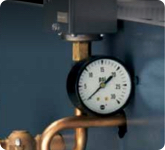
Problem: Queens resident, Robert T., found himself in a tough spot one winter night when his gas boiler suddenly failed, leaving him without heat. After a preliminary system check of his own, Robert called Ranshaw searching for a fast and reliable boiler repair.
Solution: We sent one of our skilled boiler technicians, Bill B., out right away. He carefully troubleshot the old gas boiler unit and determined the exact cause of the problem. In less than an hour, Bill had the boiler working again. Thanks to our team's fast service, Robert's family had their heat restored in a single visit.
Bill B. visited my house this morning when the heat went out. He was professional, extremely knowledgeable, and very customer friendly. He had our problem solved within an hour, and had all the equipment we needed right there in his truck. He was also clean, thorough, and left our boiler spotless before he left. Ranshaw, you are lucky to have an employee like Bill B. in your employ. He's welcome in our home anytime!